
On This Day in Wembury — 27 November 1946
Village election sparks criticism at the Parish Council
On 27 November 1946, the Western Morning News reported criticism at Wembury Parish Council over the way local people had been told about a recent election.
At a Parish Council meeting on the Monday evening, Mr E. R. Willcox complained that a large proportion of Wembury’s electors had known nothing about the election until very shortly before polling day.
The contest was for representation on the Plympton St Mary Rural District Council, the authority which then covered Wembury and many surrounding parishes. Wembury remained within that rural district until the local-government reorganisation of 1974.
The successful candidate, Mr G. S. Thomason, defended the efforts that had been made to alert residents. He said he had personally called at practically every house in the parish and warned people three days before the election that they were being asked to vote.
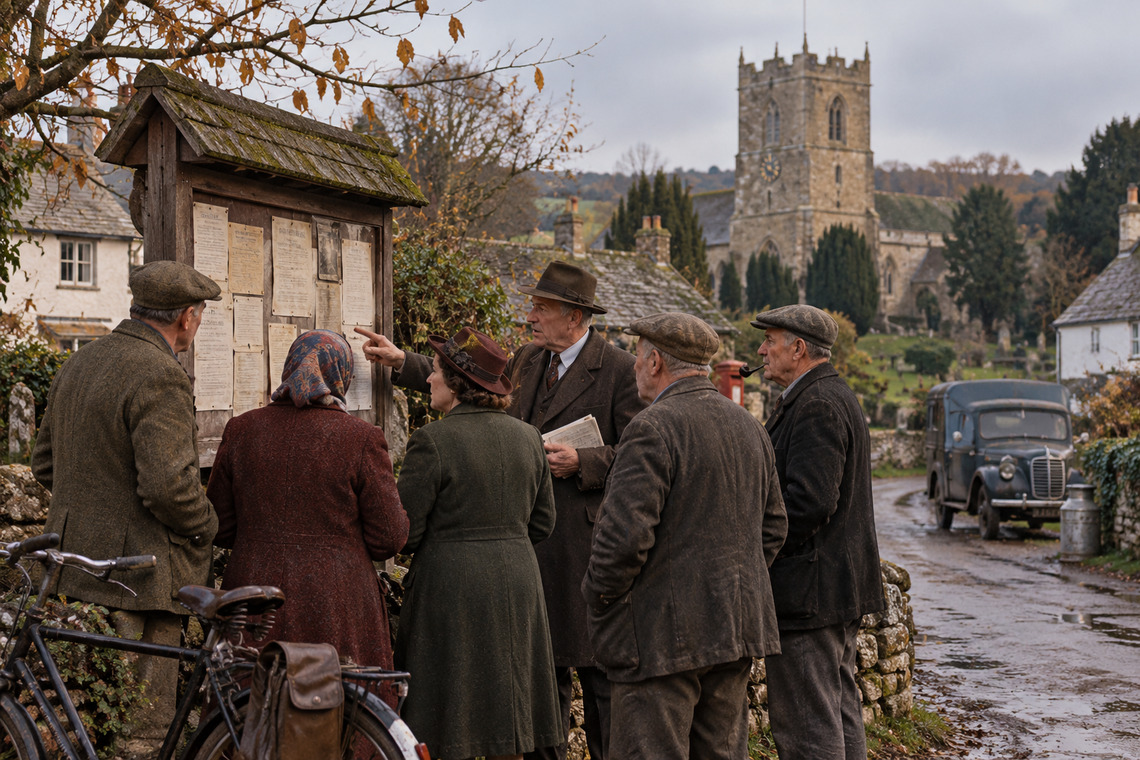
It was also pointed out that notices had been displayed at Wembury Church, at both local post offices and elsewhere in the parish.
That did not satisfy everyone.
Mr Stafford proposed that the Parish Council should formally censure the way notice of the election had been given, and Mr Willcox seconded the motion.
A less confrontational amendment was then put forward. Rather than simply condemn what had happened, the council would ask the authorities to allow more time for future elections and to place Rural District Council notices on Wembury Parish Council’s own noticeboards.
That amendment was carried.
The argument may sound surprisingly familiar. Long before village Facebook groups, websites or email alerts, public notices depended on sheets of paper pinned to church doors, post offices and noticeboards — and whether people happened to see them.
In 1946, after six years of war and only a year after the General Election which had brought a new government to power, democratic participation mattered greatly. Yet at village level, something as simple as giving residents enough notice could still cause real frustration.
The solution agreed at Wembury was straightforward: give people more warning and put election information where villagers were most likely to see it.
Eighty years later, that sounds less like an old-fashioned complaint than a very modern one.
Source: Western Morning News, Wednesday 27 November 1946.
Supporting context: Wembury formed part of Plympton St Mary Rural District, which existed from 1894 until 1974.
On This Day in Wembury
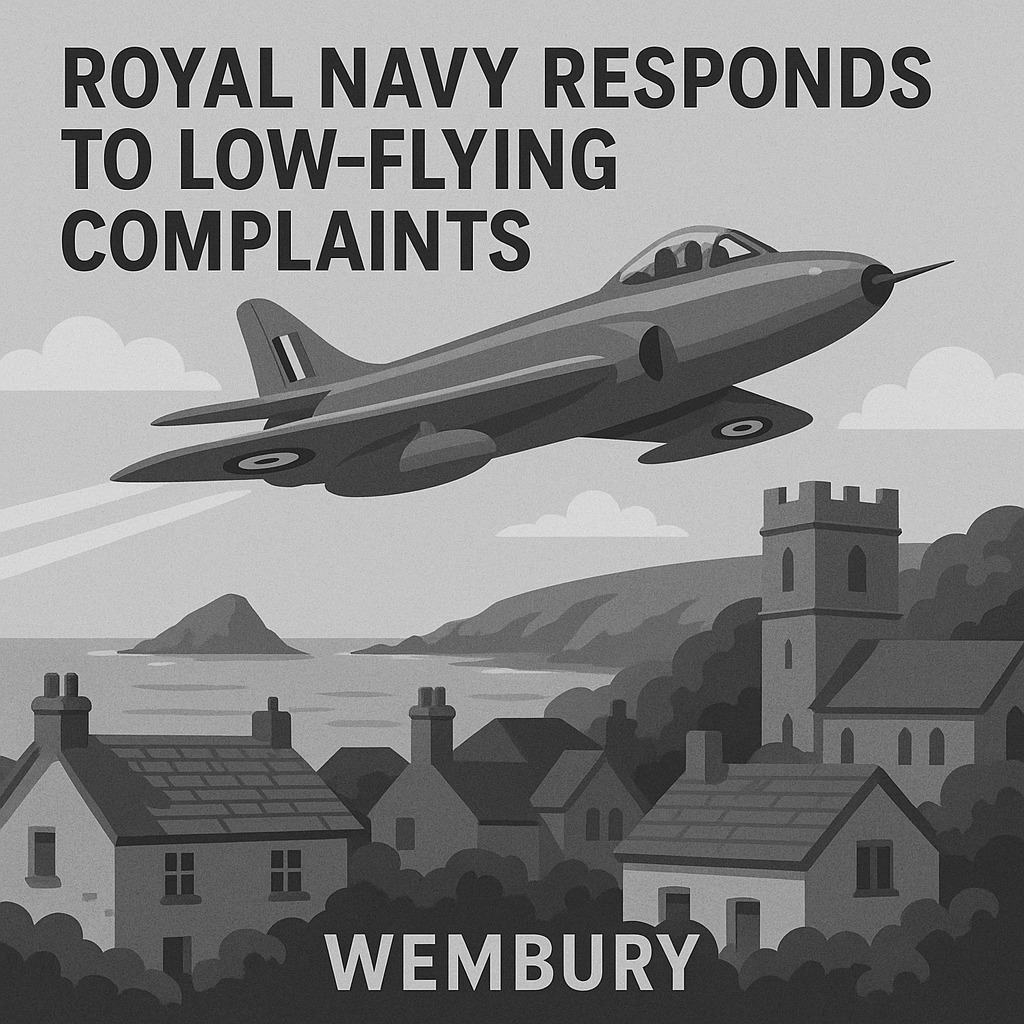
27 November 1951 — Royal Navy Responds to Low-Flying Complaints
On this day the Western Evening Herald reported on Wembury Parish Council’s ongoing complaints about low-flying aircraft disturbing residents. At a meeting in Down Thomas, the Clerk, Mr. Wilfred James, read out a letter from the Secretary to the Commander-in-Chief, Plymouth. The Navy expressed regret for the inconvenience caused but stressed that training must continue: “The Royal Navy must be prepared and efficient to meet any emergency, which of course includes safeguarding residents of the Wembury area themselves.” The letter assured that the aircraft were under the control of highly skilled and experienced pilots. Parish chairman Capt. R. P. Giles wryly observed the “admirable chaps the way they skim the roof tops.”
Reflection: The exchange highlights the uneasy coexistence between military readiness and rural community life. For villagers, low-flying aircraft meant noise and disruption; for the Navy, it was essential training in the tense early years of the Cold War.
Source: Western Evening Herald, 27 November 1951.
Entries are summaries and interpretations of historical newspaper reports.