
On This Day in Wembury — 7 December 1860
Poachers raid Langdon Court
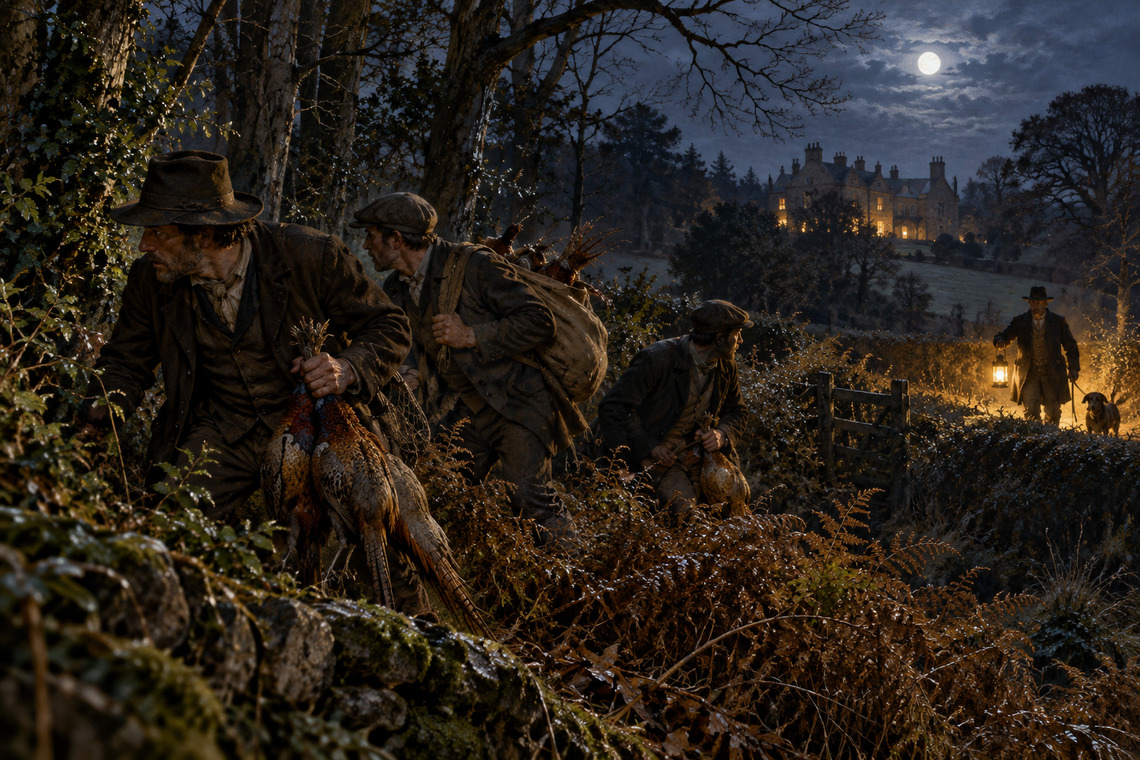
On 7 December 1860, the Western Daily Mercury reported a large-scale poaching raid on the estate of Mr Calmady at Langdon Court, Wembury.
During the previous Friday and Saturday nights, a gang of poachers had been active around the district. At Marristowe, they had already killed and carried off as many as six brace of pheasants.
They then turned their attention to Langdon Court.
According to the report, the poachers broke into the estate and killed between forty and fifty pheasants. One of the birds was a particularly distinctive silver pheasant, while several of the others carried identifying marks.
That detail mattered because the birds could potentially be recognised if they later appeared for sale.
A reward of £20 was offered for information leading to the conviction of those responsible — a substantial sum in 1860.
The newspaper also reported that Superintendent Freeman was pursuing the offenders.
Langdon Court was then still the seat of the Calmady family, who had held the estate for centuries. In the mid-nineteenth century the estate formed part of a rural landscape of farms, woods and game coverts in which pheasant shooting was closely associated with landed estates and their owners.
Poaching was therefore more than simply taking a few birds for food. Organised gangs could enter estates at night in considerable numbers, kill large quantities of game and sell it elsewhere. Encounters between poachers and gamekeepers could also become violent.
The scale of this raid suggests something organised rather than opportunistic. Forty or fifty pheasants represented a substantial haul, and the earlier raid at Marristowe indicates that the gang was moving systematically between estates.
The £20 reward also shows how seriously the offence was regarded.
To the owners of Langdon Court, the pheasants were valuable property carefully maintained for shooting. To many poorer rural people, however, game laws which protected animals on private estates were deeply resented, particularly when those animals could be seen feeding in fields alongside communities where wages were low.
That tension between landowners, gamekeepers and poachers ran through rural Britain throughout much of the nineteenth century.
For two nights in December 1860, it came directly to Wembury, when the woods and coverts around Langdon Court became the target of one of the largest poaching raids recorded in the parish.
Source: Western Daily Mercury, Friday 7 December 1860.
On This Day in Wembury
7 December 1940 — Drunken Sailors Damage Car After Down Thomas Dance
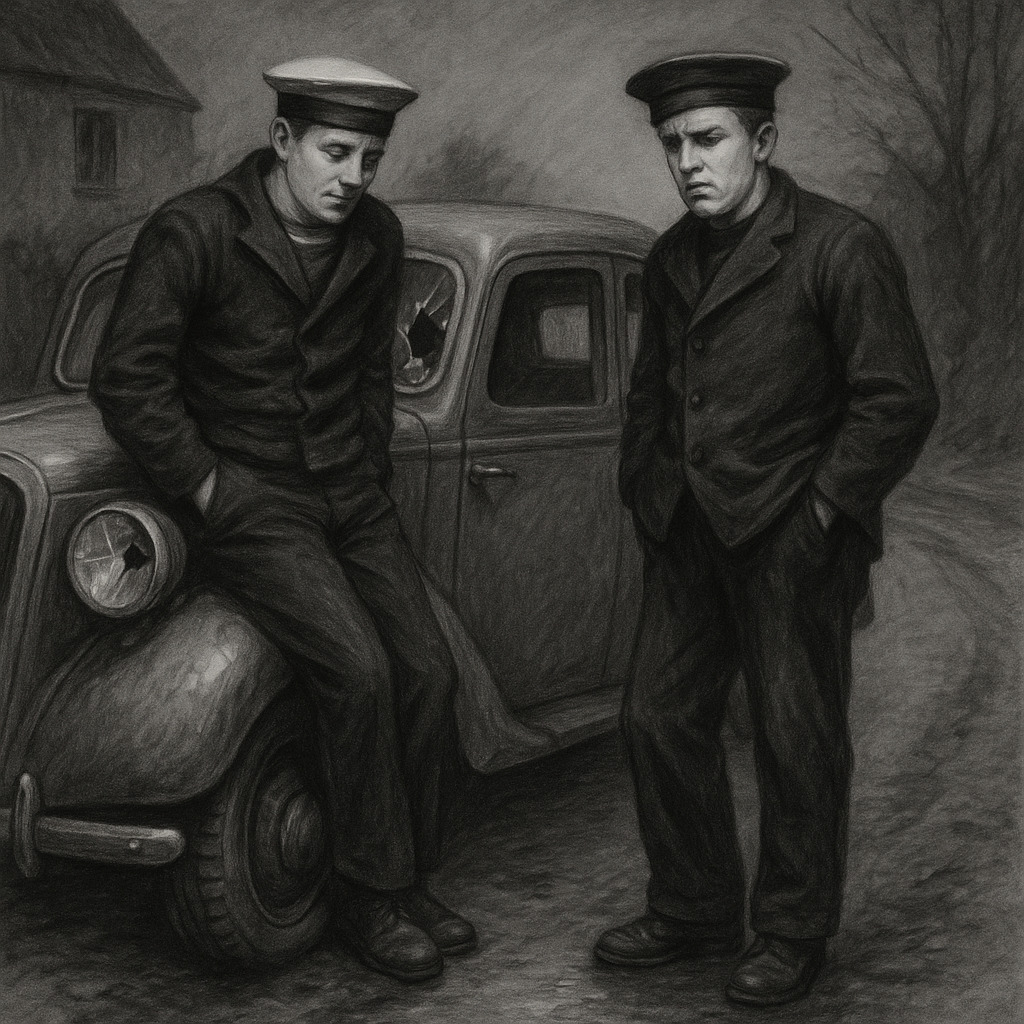
On this day two Scottish sailors, William Henderson and Clifford Graham, found themselves in trouble after a dance at Jubilee Hall, Down Thomas. The pair, who admitted in court they were “not used to the booze,” took and drove away a motor car belonging to K. C. V. O’Connor of Little Wilfowhayes, Wembury.
O’Connor had left his car parked outside the hall, but later discovered it 200 yards down the road with its windows smashed and headlamp broken. Inside sat the two sailors, clearly under the influence of drink. The damage was valued at £3 — a significant sum at the time.
At Plympton court on 10 December, the men were fined £1 each on each charge, plus the cost of the damage, bringing the total to £7.
The case shows how wartime village life, with servicemen frequenting local dances, sometimes spilled into disorder. It also captures a moment when motor cars were still precious property, especially under petrol rationing, making even minor damage both costly and disruptive.
Source: Western Morning News, 10 December 1940 (reporting incident of 7 December).
Entries are summaries and interpretations of historical newspaper reports.