
On This Day in Wembury
14 December 1940 — Chummy the Air Raid Puppy
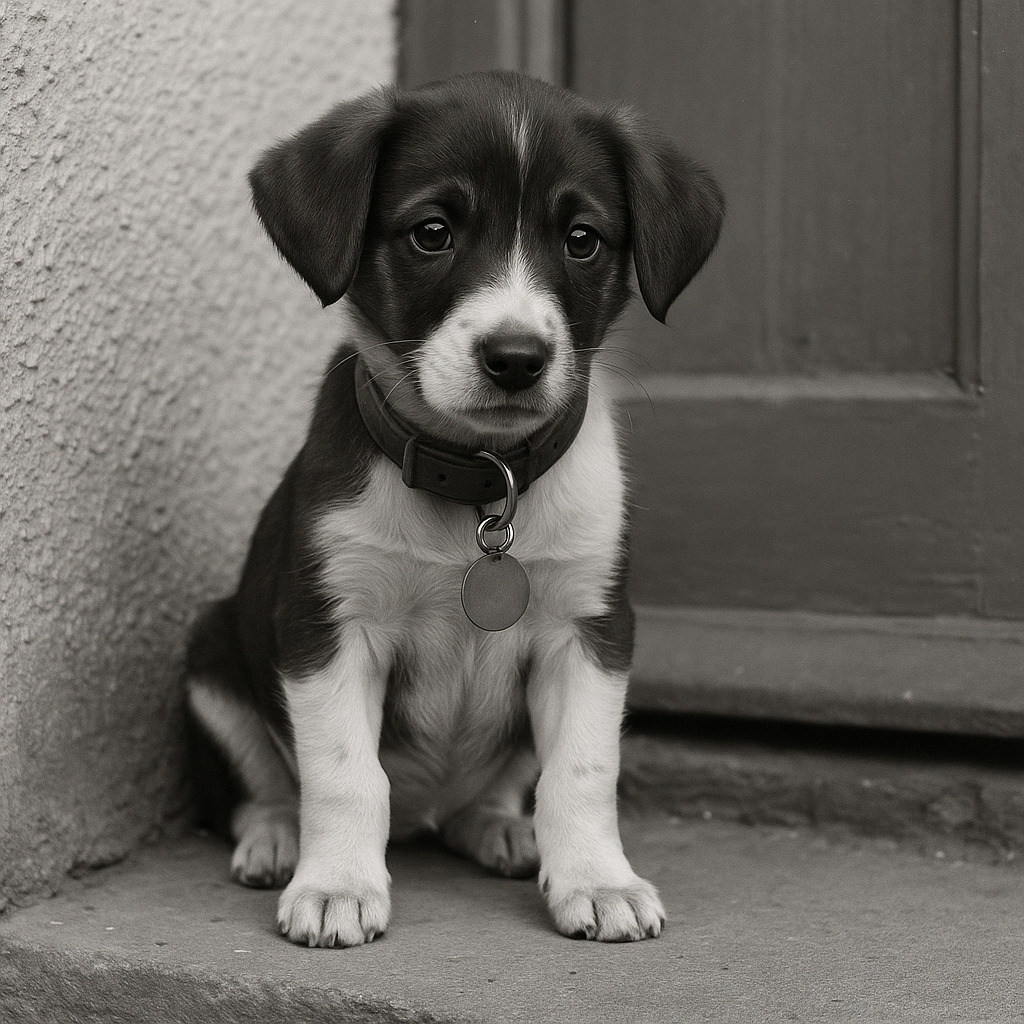
At Plympton Police Court, Mrs. June Pedder of Wembury was fined 4 shillings for keeping a dog without a licence. The puppy, “Chummy,” had strayed to the family during an air raid, and despite her efforts no owner could be found. Mrs. Pedder broke down in tears, fearing the dog would be taken away, but anonymous benefactors soon stepped in: one paid the fine, others sent money and gifts. Most moving was her daughter Wendy, aged seven, who emptied her money-box, sacrificing her dream of a Christmas doll’s bed, so that Chummy’s licence could be bought.
In the middle of wartime shortages and fear, the story of Chummy touched hearts across Plymouth and beyond. It is a reminder of how small kindnesses, shared burdens, and even a child’s sacrifice can soften the hardness of life in difficult times, and especially just before Christmas!
Source: Western Morning News, 14 December 1940.
On This Day in Wembury — 14 December 1945
Wembury slips into darkness as the herring fleet heads out
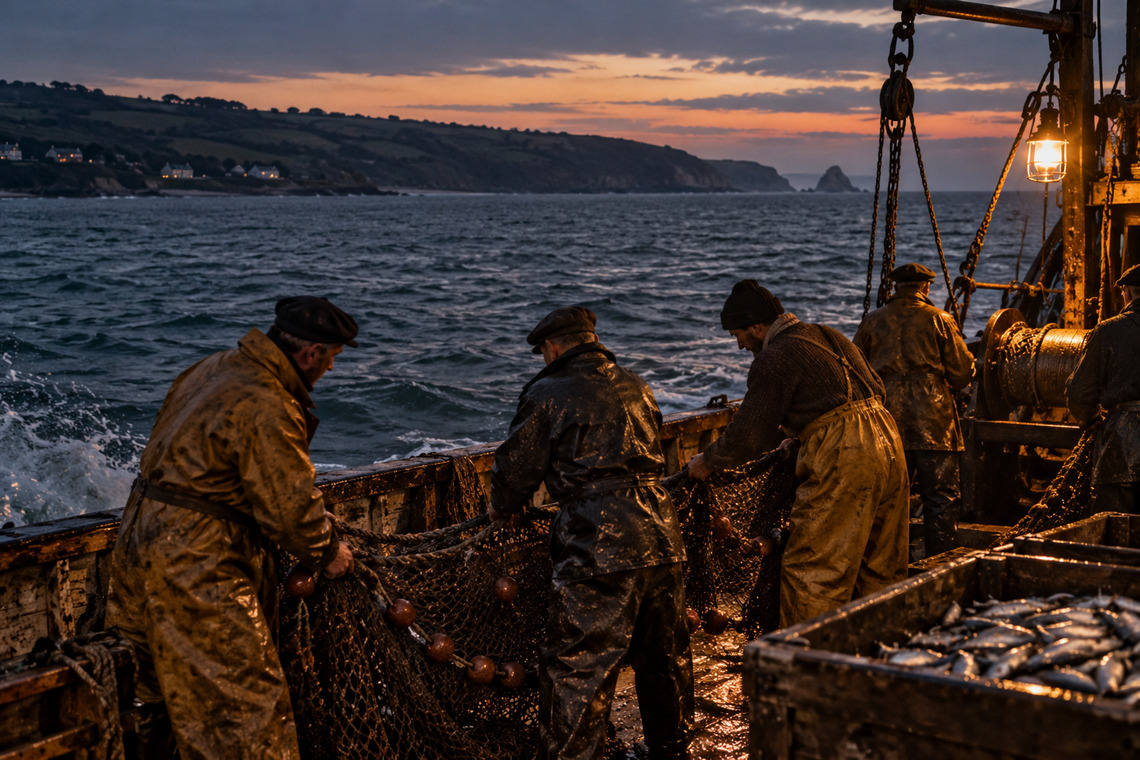
On 14 December 1945, the Western Morning News published a vivid account of a night spent aboard the Lowestoft herring drifter Forethought as she left Plymouth to fish off the Eddystone.
A photographer and reporter from the newspaper had joined the crew for the trip, giving readers a detailed picture of life aboard one of the East Anglian boats then working from Plymouth.
The Forethought left Sutton Pool during the afternoon and headed out through Plymouth Sound.
As she passed the Breakwater and the swell began to increase, the reporters looked back towards the land.
The article records that:
“away on the green slopes of Heybrook Bay and Wembury were sheep being swallowed by the darkness.”
It is a wonderfully atmospheric glimpse of Wembury at the end of 1945 — not seen from the village itself, but from the deck of a working fishing vessel heading out into the Channel.
Once offshore, the crew joined other herring drifters gathering around the fishing grounds near the Eddystone.
The nets were shot into the sea and the boat settled into the long routine of night fishing. Between periods of work there was food, conversation and even entertainment from the wireless.
The headline summed it up neatly:
“Fishing to Radio Dance Music.”
With the sea dark around them, the crew listened to dance music while waiting for the herring to enter the drifting nets.
Later came the hard work.
The long train of nets had to be hauled back aboard, section by section, while the crew watched for signs of fish. Herring were shaken from the meshes, sorted and stored as the boat worked through the night.
The article describes the vessel pitching and rolling, men working on a wet deck and the constant rhythm of hauling, clearing and preparing the gear.
By the time the Forethought headed home, the crew had been at sea for many hours.
The account is a reminder of how closely Plymouth and the surrounding coast were connected with the fishing industry immediately after the Second World War. Boats from the east coast regularly came south for seasonal fishing, bringing crews from ports such as Lowestoft into Plymouth.
And for those men heading out to sea in December 1945, Wembury was simply part of the last view of land before the night’s work began.
A hillside, a few fields and sheep fading into the darkness.
Source: Western Morning News, Friday 14 December 1945.
Entries are summaries and interpretations of historical newspaper reports.